

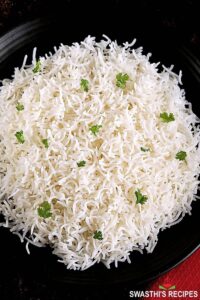
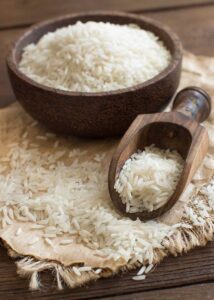
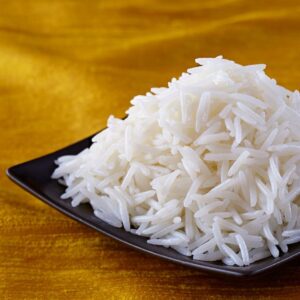
Basmati Rice
Basmati Varieties (High Yield)
Pusa Basmati 1121 – World’s longest grain rice (after cooking can stretch up to 8.4 mm), very popular for export.
Pusa Basmati 1509 – Early maturing, slim grains, requires less water, widely grown in Punjab & Haryana.
Pusa Basmati 1401 – Known as the “magic rice,” good aroma, long slender grains.
Pusa Basmati 1718 – Developed as a disease-resistant (especially to bacterial blight) version of Pusa 1121.
Pusa Basmati 1637 & 1728 – Newer research-based varieties, combining aroma with high yield.
Non-Basmati Rice
1. Long-Grain Non-Basmati
IR 64 – Most popular long-grain non-basmati, widely exported, affordable, soft texture.
IR 8 – Earlier high-yielding variety, still grown in parts of India.
Swarna – Popular in West Bengal, Odisha, Bihar; medium-long grain, economical.
Ponni Rice (Sona Ponni) – South Indian favorite (Tamil Nadu, Karnataka), soft and slightly sticky.
2. Medium-Grain Non-Basmati
Sona Masoori – Light, aromatic, medium grain; famous in Andhra Pradesh, Telangana, Karnataka.
Jeera Samba / Seeraga Samba – Tiny, fragrant grains, used in Tamil Nadu for biryani and traditional dishes.
Matta Rice (Kerala Red Rice / Palakkadan Matta) – Parboiled red rice, coarse texture, nutty flavor.
Ambemohar – Grown in Maharashtra, small-grain, mango-like fragrance.
3. Short-Grain / Everyday Rice
Gobindobhog – Short, sticky, aromatic rice from West Bengal, used for sweets like payesh.
Idli Rice / Parboiled Rice – Short-grain, used for making idli and dosa batter.
Masuri Rice – Small, soft-textured rice used as daily food in many households.
4. Specialty / Indigenous Varieties
Black Rice (Chakhao, Manipuri Black Rice) – Rich in antioxidants, nutty flavor, used in desserts.
Red Rice (Rakthashali, Matta, Bhutanese Red) – High in iron, eaten in Kerala and Northeastern states.
Kalajeera Rice (Black Jeera Rice) – Tiny aromatic rice from Odisha, also called “Prince of Rice.”
Joha Rice – Aromatic short-grain rice from Assam.